Employer Health Costs Set to Rise 8.2%; Medicare HSA Rules Explained
Employer health insurance costs are projected to climb 8.2%. Turning 65 and enrolling in Medicare triggers a key HSA contribution rule.
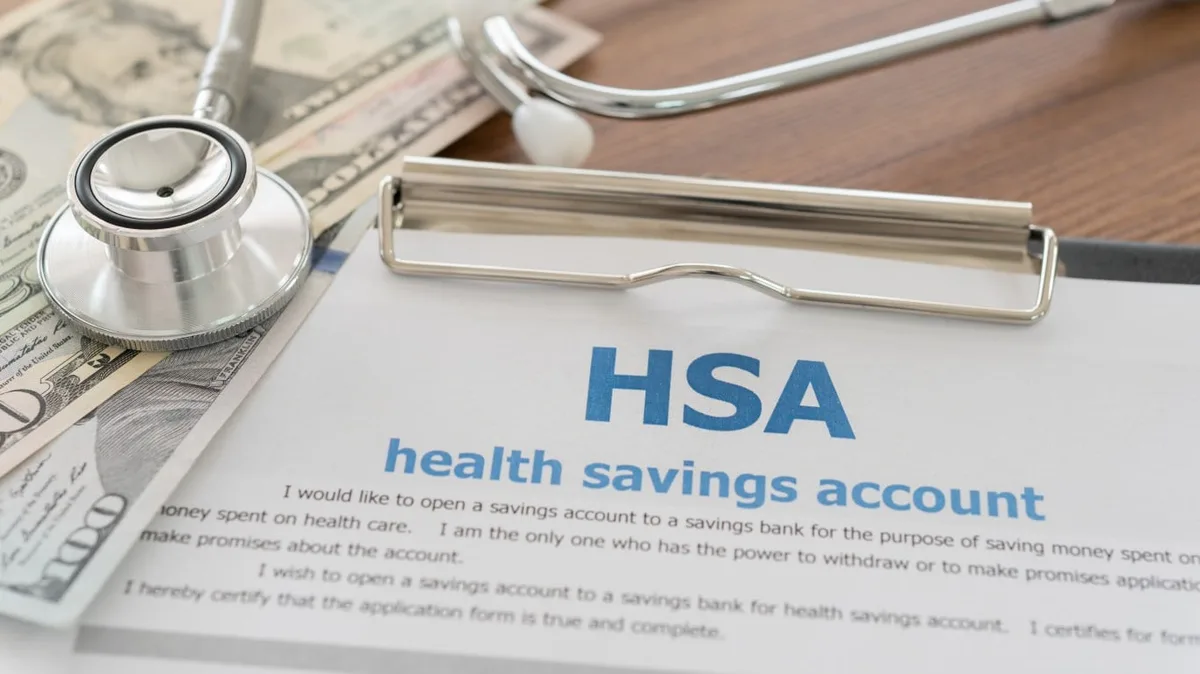
Employer-sponsored health insurance costs are projected to increase 8.2% in the coming year, adding pressure on both companies and workers navigating rising healthcare expenses, according to a report highlighted by Yahoo Finance.
For employees approaching retirement age, the cost surge arrives alongside a critical regulatory boundary: once an individual enrolls in Medicare at age 65, federal rules prohibit further contributions to a Health Savings Account. The restriction applies because HSA eligibility requires enrollment in a qualifying high-deductible health plan, and Medicare coverage — including Part A — disqualifies a beneficiary from making new HSA deposits.
Read more How Pipeline Stocks Tied to AI Data Centers Can Generate Monthly Income →
The timing can catch workers off guard. Enrollment in Medicare Part A is often automatic for those already receiving Social Security benefits, meaning some retirees may unknowingly trigger the HSA contribution cutoff before they realize they have transitioned into the federal program. Financial planners generally advise workers to coordinate the start of Medicare enrollment carefully if they wish to maximize HSA contributions in their final working years.
HSAs carry a triple tax advantage — contributions are tax-deductible, growth is tax-free, and withdrawals for qualified medical expenses are not taxed — making them a valued tool for pre-retirement healthcare savings. Losing the ability to contribute at 65 underscores why financial advisers encourage workers to front-load HSA savings in the years leading up to Medicare eligibility.
The projected 8.2% jump in employer health costs reflects broader inflationary trends in the healthcare sector and signals that both active employees and those transitioning to Medicare will face mounting decisions about coverage and savings strategy in the year ahead. Continue reading at Yahoo Finance.