GM Pursues U.S. Battery Supply Chain as Ford Faces China Scrutiny
GM moves to build domestic battery supply chains for EVs and energy storage while Ford draws federal attention over China ties.
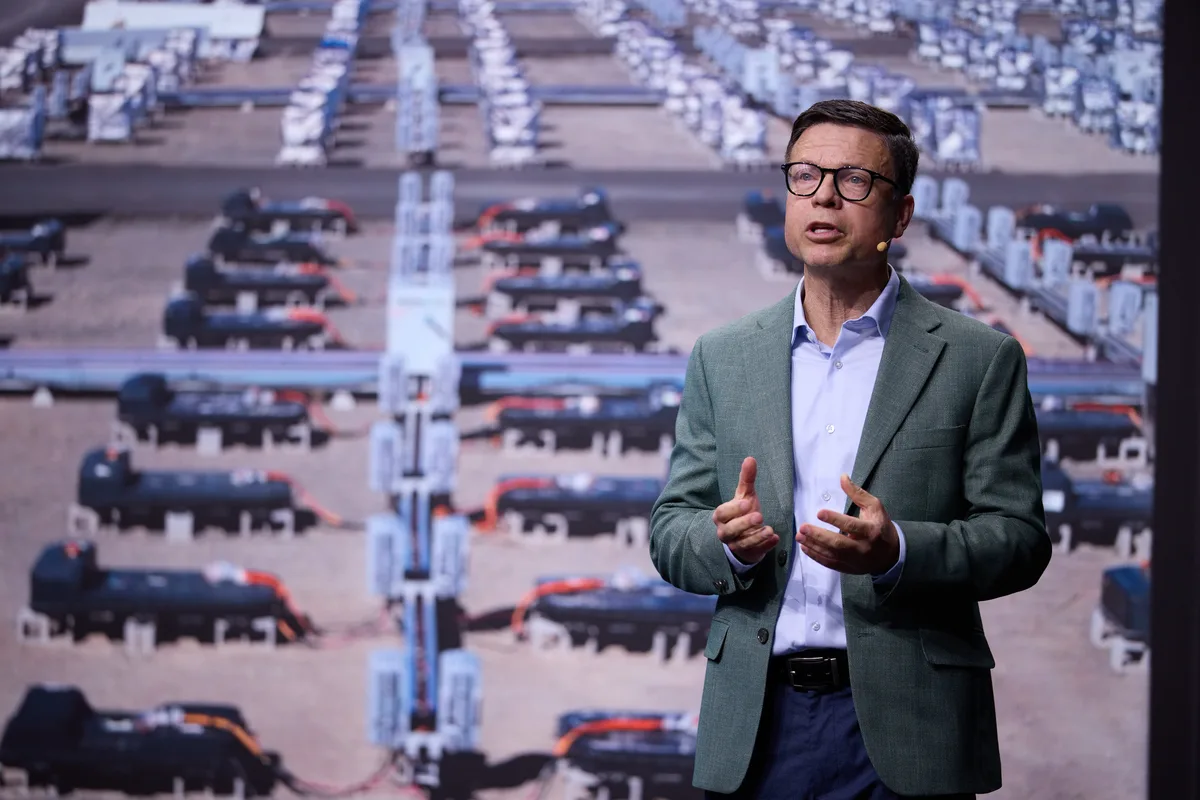
General Motors is pushing to develop battery technology and supply chains within the United States, a strategic pivot aimed at reducing dependence on raw materials predominantly sourced from China, according to Business News. The initiative targets both electric vehicle production and broader energy storage applications, signaling GM's intent to position itself ahead of anticipated shifts in federal trade and industrial policy.
The move comes as the Trump administration's Department of Transportation has taken aim at Ford Motor Company over its connections to Chinese suppliers and partners. The contrast between the two Detroit automakers underscores the intensifying pressure on U.S. manufacturers to demonstrate supply chain independence from China amid ongoing geopolitical tensions.
Read more Starbucks Plans $1 Billion Store Overhaul Amid Margin Pressure →
The vast majority of battery cells currently in production rely on raw materials — including lithium, cobalt, and other critical minerals — that are extracted or processed in China, giving Beijing significant leverage over global EV manufacturing. Efforts to establish domestic alternatives have gained urgency as Washington pursues a more confrontational posture toward Chinese industry and technology transfer.
GM's domestic battery development strategy reflects a broader industry reckoning: automakers that can credibly localize their supply chains may find themselves better insulated from regulatory risk, tariff exposure, and political scrutiny. Ford's situation illustrates the reputational and regulatory costs of perceived entanglement with Chinese entities at a time of heightened federal oversight.
Continue reading at Business News.