How Larry Fink Turned a $100M Loss Into BlackRock's Empire
BlackRock CEO Larry Fink was ousted after a massive trading loss early in his career, then rebuilt to lead the world's largest asset manager.
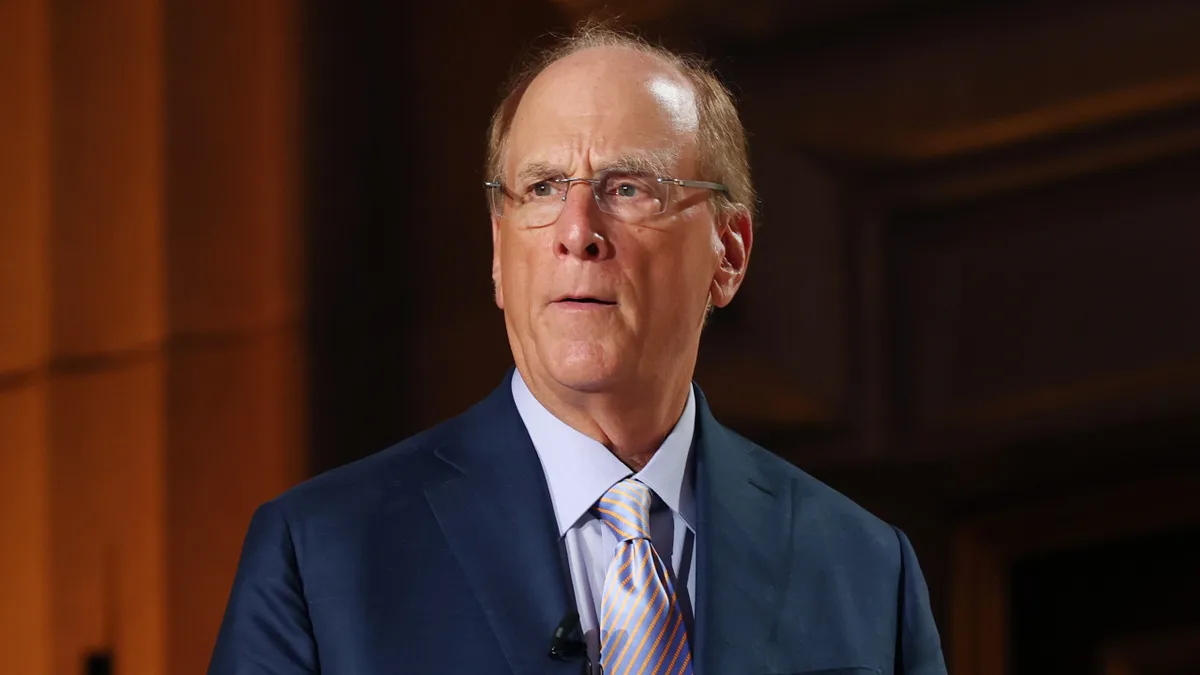
Larry Fink, now the chief executive of BlackRock — the world's largest asset management firm — did not arrive at the top without a defining and costly failure. Early in his Wall Street career, Fink lost roughly $100 million in a single quarter, a catastrophic miscalculation that effectively ended his tenure at his then-employer and forced him out of what had been a rapidly rising career trajectory.
Fink has publicly acknowledged the episode, reportedly admitting he "screwed up" — a rare moment of candor from one of finance's most powerful figures. The loss stemmed from a misjudgment on interest rate movements, a field Fink would later make central to his professional identity and the foundation of his next venture.
Read more GM Bets on V-8 Engines as Truck Wars With Ford, Ram Heat Up →
Rather than retreating from finance, Fink used the wreckage of that failure as the intellectual and motivational bedrock for BlackRock, which he co-founded in 1988. The firm was built around rigorous risk management and fixed-income analytics — disciplines that Fink's earlier loss had underscored as essential. That philosophy proved prescient, and BlackRock grew into a multi-trillion-dollar institution that today manages more assets than any other firm on the planet.
The arc of Fink's career offers a case study in how catastrophic professional setbacks can, under the right conditions, be converted into structural advantages. By internalizing the lessons of his loss rather than dismissing them, Fink engineered a firm whose core competency was precisely the risk oversight he had once lacked. BlackRock's Aladdin risk management platform, now used by governments and institutions worldwide, stands as perhaps the most concrete legacy of that early lesson.
Fink's story has become something of a foundational myth in asset management circles, illustrating that even the most consequential failures need not define a career's endpoint. Continue reading at Yahoo Finance.