Intel's Long-Term Value Outlook: Is 2030 Worth the Wait?
Analysts are weighing Intel's prospects through 2030, raising questions about whether current share prices represent a buying opportunity.
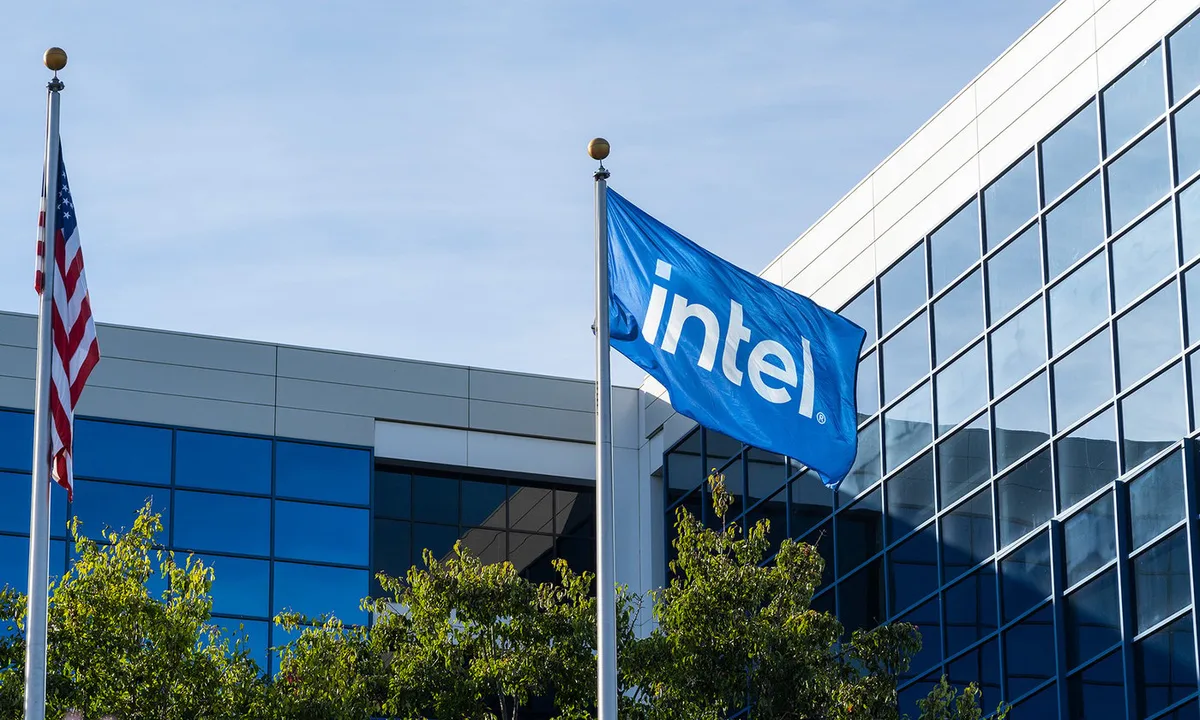
Intel Corp. finds itself at a crossroads as investors attempt to gauge whether the semiconductor giant's long-term trajectory justifies a position in the stock today. With the chip industry undergoing rapid structural shifts driven by artificial intelligence demand and domestic manufacturing incentives, Intel's path to recovery has drawn renewed scrutiny from market watchers.
The exercise of projecting Intel's value out to 2030 reflects a broader pattern among value-oriented investors who look past near-term earnings turbulence to assess where a company's fundamentals may ultimately settle. Intel has faced significant competitive pressure from rivals including AMD and Nvidia, while simultaneously investing heavily in new fabrication capacity under its foundry ambitions — a dual burden that has weighed on margins and investor sentiment alike.
Read more Why History Suggests a Bear Market Could Benefit Investors →
For those willing to adopt a multi-year horizon, the question centers on execution: whether Intel can restore manufacturing leadership, grow its foundry business into a meaningful revenue contributor, and capitalize on U.S. policy tailwinds such as the CHIPS Act, which directs federal subsidies toward domestic semiconductor production. Each of those variables carries substantial uncertainty, making any 2030 price target a wide-range estimate rather than a precision forecast.
The risk-reward calculus for Intel at current levels ultimately depends on an investor's conviction in management's turnaround strategy and tolerance for volatility over an extended holding period. Shares that appear inexpensive today could reflect either a genuine margin of safety or a value trap — a distinction that only time and quarterly results will clarify.
Continue reading at Yahoo Finance.