Why History Suggests a Bear Market Could Benefit Investors
Bear markets are inevitable, but historical patterns show they often create long-term opportunities for disciplined investors.
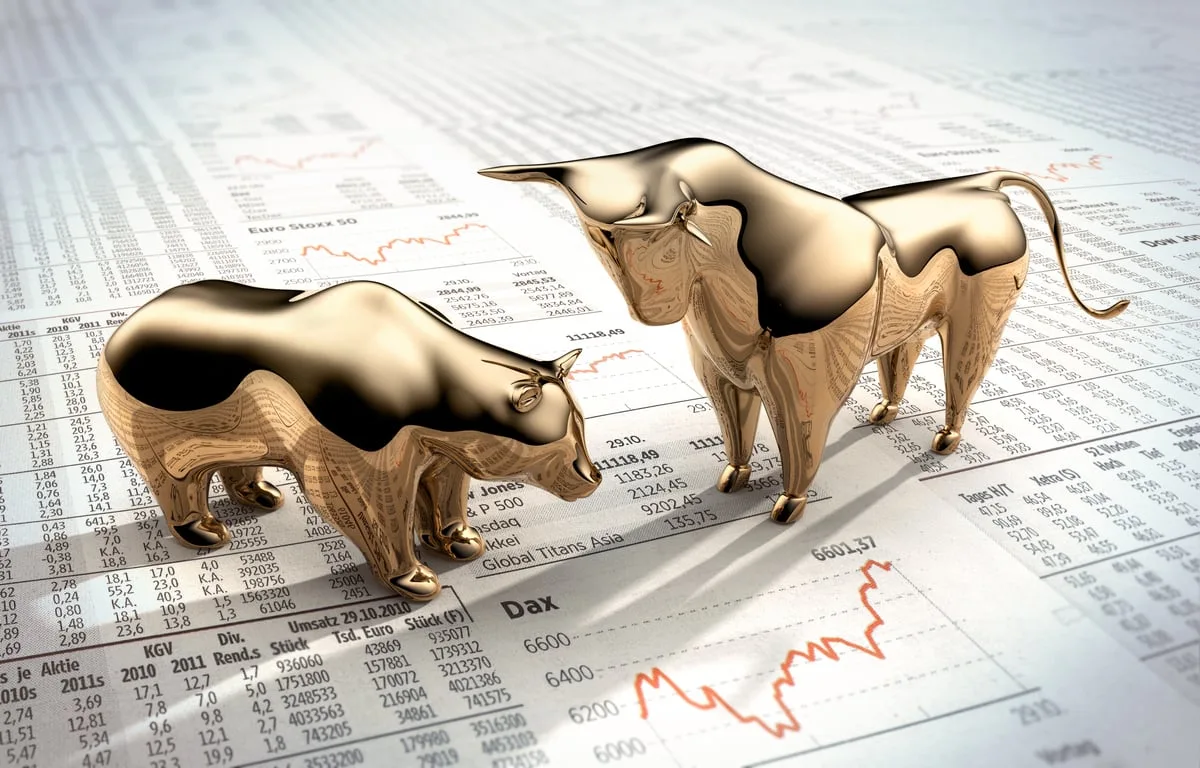
Bear markets, defined as a decline of 20% or more from a recent peak, are a recurring feature of financial markets and, by historical measure, an unavoidable one. While the prospect of sharp portfolio losses triggers anxiety among retail and institutional investors alike, market history consistently shows that downturns have preceded some of the strongest periods of equity gains on record.
Data spanning decades of U.S. stock market performance indicates that investors who remain in the market through bear cycles — rather than retreating to cash — tend to capture the outsized recoveries that follow. The steepest losses and the sharpest rebounds often occur in close proximity, meaning that missing even a handful of the best trading days in a recovery can significantly diminish long-term returns.
Read more LightPath Technologies Defense Shift Begins to Reflect in Financials →
Bear markets also function as a mechanism for resetting valuations that have grown stretched during prolonged bull runs. Elevated price-to-earnings ratios, which can suppress future expected returns, tend to compress during downturns, laying the groundwork for a more sustainable advance once selling pressure subsides and economic conditions stabilize.
For investors with longer time horizons, a bear market can represent an opportunity to accumulate shares of quality companies at discounted prices. Dollar-cost averaging — deploying capital at regular intervals regardless of market conditions — has historically allowed investors to lower their average cost basis during periods of volatility, enhancing returns when prices eventually recover.
The timing of any bear market remains impossible to predict with precision, and the depth and duration of each cycle varies considerably. What history does offer, however, is a consistent pattern: markets have recovered from every prior bear market, ultimately reaching new highs. Continue reading at Yahoo Finance.