Trump-Xi Meeting Puts Investors on Both Sides of AI Divide
Global investors are hedging bets as the Trump-Xi summit reshapes the landscape for artificial intelligence competition and trade.
As President Donald Trump and Chinese President Xi Jinping meet, investors are positioning themselves on both sides of a widening artificial intelligence divide, reflecting deep uncertainty over how U.S.-China tensions will reshape the global technology sector.
The high-stakes diplomatic encounter has drawn intense scrutiny from markets already rattled by trade restrictions, export controls on advanced semiconductors, and competing national strategies to dominate AI development. With both Washington and Beijing treating AI supremacy as a matter of economic and national security, the summit carries implications far beyond traditional trade negotiations.
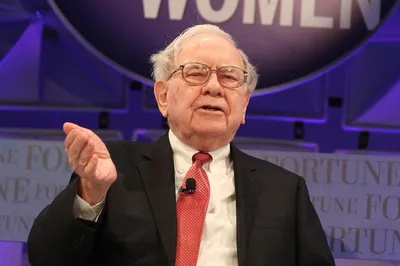
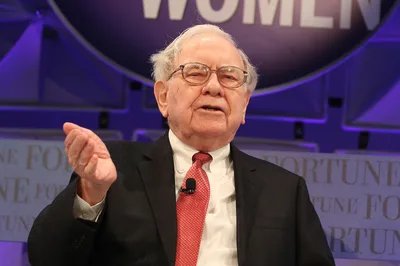
Read more Warren Buffett Steps Down as Berkshire Hathaway CEO →
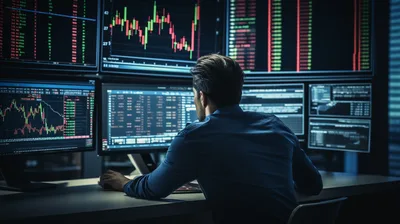
Investors are responding by diversifying exposure — backing American chip designers and cloud platforms while simultaneously maintaining positions in Chinese technology firms that have demonstrated resilience despite regulatory headwinds. The dual approach reflects a broader market consensus that AI competition between the two superpowers is structural and long-term, rather than a dispute resolvable through a single diplomatic meeting.
The outcome of the talks could influence the scope and duration of semiconductor export controls, which have been a central flashpoint in U.S.-China technology policy. Any signal of easing restrictions or, conversely, an escalation of curbs on advanced chip exports, would ripple quickly through equity markets on both sides of the Pacific.
Analysts caution that regardless of the meeting's tone, the underlying race for AI dominance is unlikely to pause. For now, markets appear to be pricing in prolonged rivalry rather than resolution. Continue reading at Yahoo Finance.